
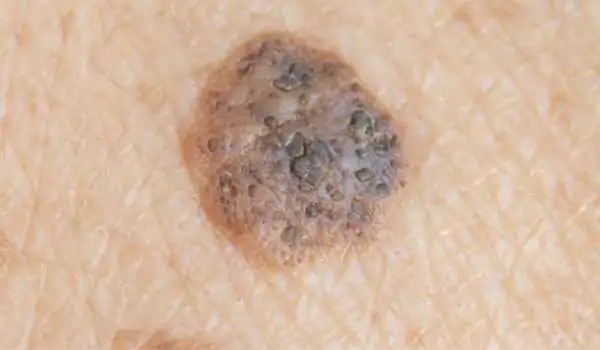
Skin changes are often unsettling, especially when new growths appear and resemble something more serious. Seborrhoeic Keratosis Camborne is a very common skin condition, yet it is often mistaken for malignant lesions.
These changes can feel worrying, and at Cryosonic Camborne, we completely appreciate this concern. Hence, we aim only to make you realise the difference, working with effective solutions and benefiting from advanced treatments such as CryoPen.
We provide knowledge that brings patients comfort and treatment that teaches skin health in a way that is more accessible and empowering.
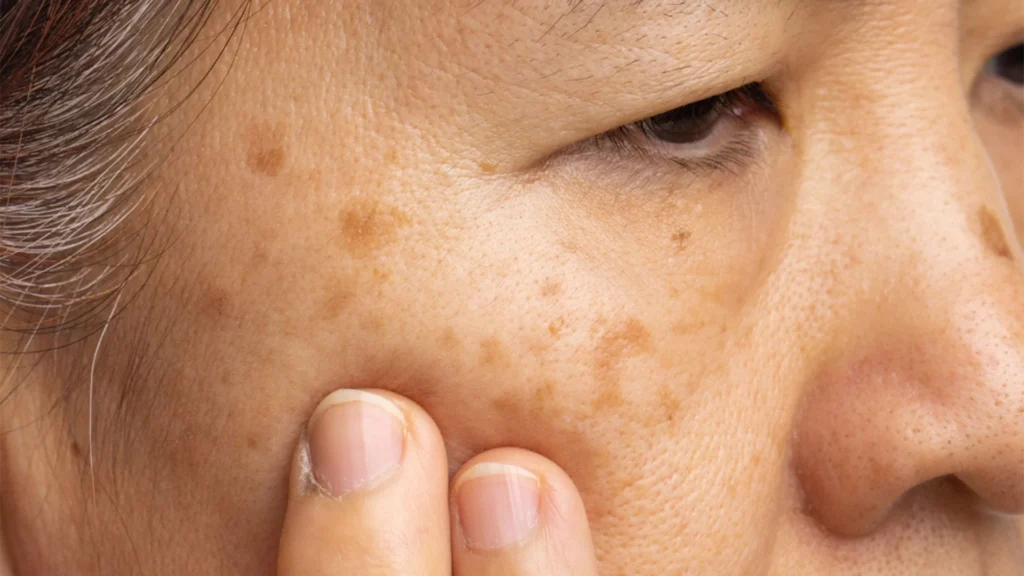
What Exactly Is Seborrhoeic Keratosis Camborne?
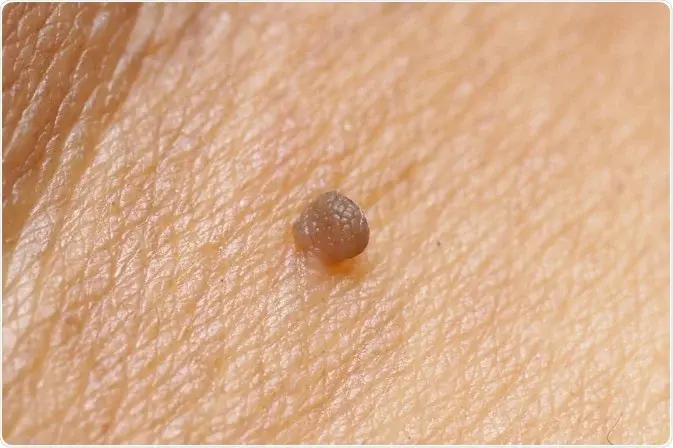
Seborrhoeic Keratosis Camborne is a harmless, non-cancerous skin lesion. These growths usually appear as raised, waxy, or wart-like spots ranging in color from pale to dark brown. They often look as if they are “stuck on” the surface of the skin. While they are not medically dangerous, they can appear in clusters, become irritated by friction, or cause cosmetic distress.
Why Does Seborrhoeic Keratosis Camborne Often Cause Concern?
The main concern with Seborrheic Warts Camborne is how similar it can look to skin cancers such as melanoma. Their dark coloration, irregular shape, or sudden appearance often raises alarm. Because of this, many people seek medical advice, worried that what they see may be malignant. Early evaluation by a professional is the best way to gain peace of mind.
What Happens in the Skin to Form Seborrhoeic Keratosis?
Such lesions result from an overproduction of keratin, the major protein of the outer skin layer. Instead of letting cells die off as usual, it concentrates them, and they clump into thick patches.
Seborrheic Warts, unlike malignant conditions, do not affect the surrounding tissues and also can not metastasise. It stays localised, but it can persist for many years in untreated situations.
How is Seborrhoeic Keratosis Camborne Different from Malignant Lesions?
Differentiating Seborrhoeic Keratosis Alton is not easy without a professional instrument. Dermatologists routinely examine the pigmentation and surface structure of lesions using dermatoscopes. Some general differences include:
- Texture – Benign lesions typically have a rough or waxy texture.
- The imagery tends to appear to be stuck on top of your skin.
- Borders – Generally more well-defined than irregular malignant ones.
- Symptoms– While some can itch, persistent bleeding or pain is rare.
These features are hints only: A trained person can test whether this lesion is benign or something worse. Check Out FAQ here.
What Role Does the CryoPen Play in Managing Seborrhoeic Keratosis?
CryoPen is a precise freezing technology that uses a fine jet of nitrous oxide to treat unwanted skin lesions. By targeting only the affected tissue, it freezes and destroys the lesion while leaving surrounding healthy skin untouched.
It is an even better option for Crusty Seborrhoeic Keratosis Camborne due to the controlled freezing process and less associated discomfort and downtime. Cryosonic uses CryoPen technology in its treatments, enabling faster, more effective treatment for patients.
When Should You Consider Treatment for Seborrhoeic Keratosis?
Even though Seborrhoeic Keratosis is harmless, treatment may be appropriate in certain cases:
- If lesions cause cosmetic concern or affect confidence
- When growths are repeatedly irritated by clothing or jewelry
- If their resemblance to malignant lesions creates anxiety
- For smoother, clearer-looking skin in visible areas
These reasons make treatment more than cosmetic—it can also provide reassurance and comfort.
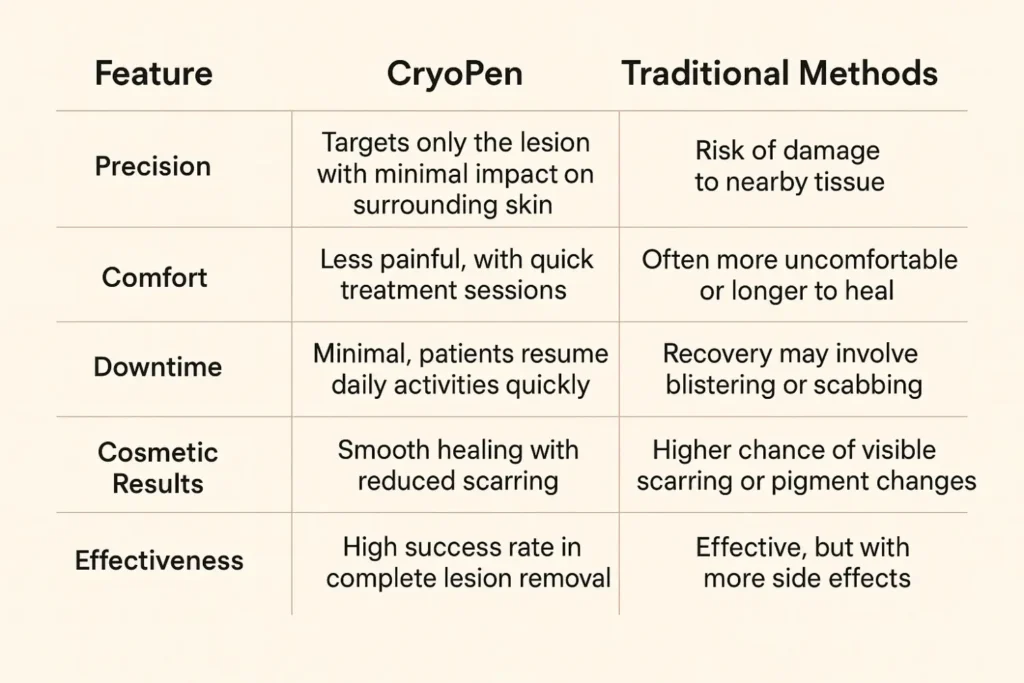
How CryoPen Is More Effective Than Traditional Methods
There has been a significant change in the treatment of Seborrhoeic Keratosis. CryoPen is a newer option that significantly improves precision and comfort for patients compared to older techniques.
CryoPen, unlike liquid nitrogen, generates freezing in a degree at even more regular intervals, 0.2-1 seconds. This guarantees an obliteration of the injurious element with a lesser amount of pain and peril.
FAQs
Q. Can Seborrhoeic Keratosis become cancerous?
They are non-cancerous lesions and do not become cancerous, more like no. However, expect some changes to your skin, and consult a dermatologist if you happen across any lesion that seems out of place.
Q. Does CryoPen remove lesions permanently?
Yes, the treated lesion does not come back after treatment with CryoPen. But over time, new Seborrhoeic Keratosis spots may develop in different locations.
Q. How long does recovery take?
The manner in which most patients heal can last from one to three weeks, depending upon the size and area of the lesion. At this time, you might notice a pinkish hue in the area or scabbing that will heal completely.
Q. Is the treatment painful?
The experience is usually minimal and felt as a slight sting or cold burn (< 0.5 s) that passes quickly. The majority of patients undergo the procedure with little tolerance and without anesthesia.
Q. Can Seborrhoeic Keratosis be prevented?
Diabetes cannot guarantee you avoid Seborrhoeic Keratosis. Most of the time, you never know how much your clock is going, but there are some mechanisms to prevent skin and excess sun exposure, good hygiene of skin throughout the world, and regular visits with a dermatologist.
Final Thoughts
Know that seborrhoeic Keratosis Camborne is a very common non-cancerous skin growth, which can get many people worried because they resemble cancer. The primary difference is knowing when you want removal —this is where the CryoPen can come into play as a very cosmetic, effective, and safe treatment.
With trusted providers such as Cryosonic Camborne offering advanced CryoPen treatments, patients can manage Seborrhoeic Keratosis confidently, knowing they are choosing a modern approach with excellent outcomes.
For further information, please get in touch with us today at 03300 100 392